DustHaul
Rocks, take two
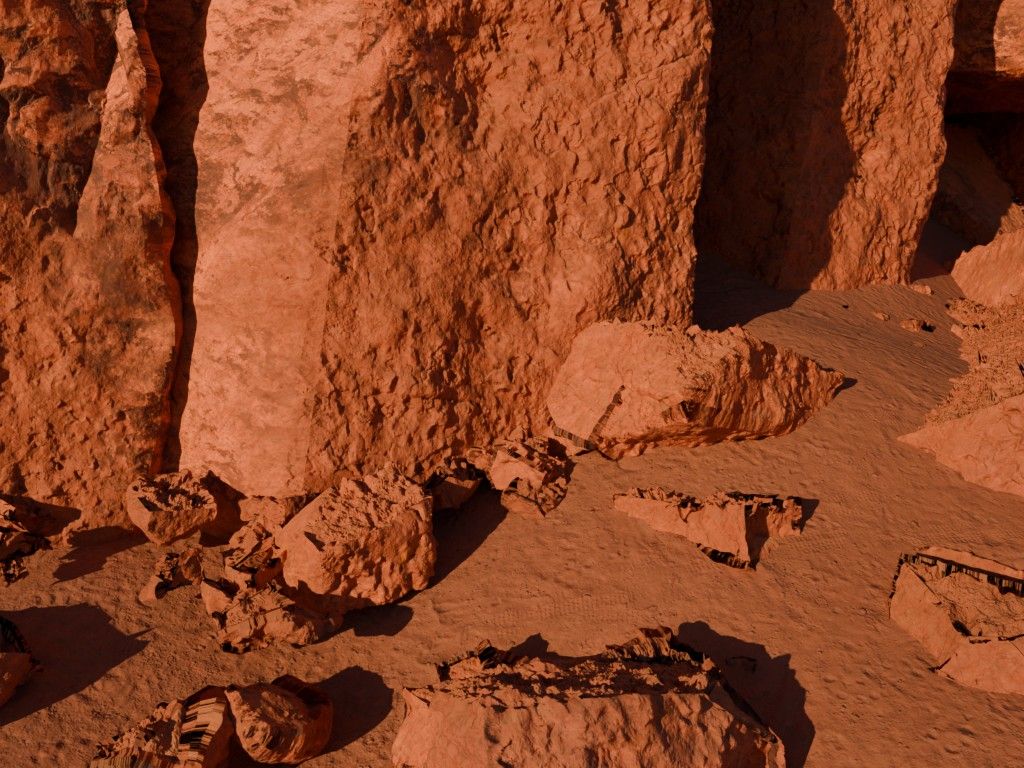
We are testing a new rock set built from scanned surface materials and broken blocks. The goal is canyon walls that hold up at two metres, not only from the road.
Short notes from the work as it happens. Longer stories go in the devlog.
We are testing a new rock set built from scanned surface materials and broken blocks. The goal is canyon walls that hold up at two metres, not only from the road.
The on-foot loop runs in our test scenes: pickaxe, shovel and hammer, a portable workbench, a tent, and a shelter that is still standing after you save and reload. Tool animations are placeholders for now.
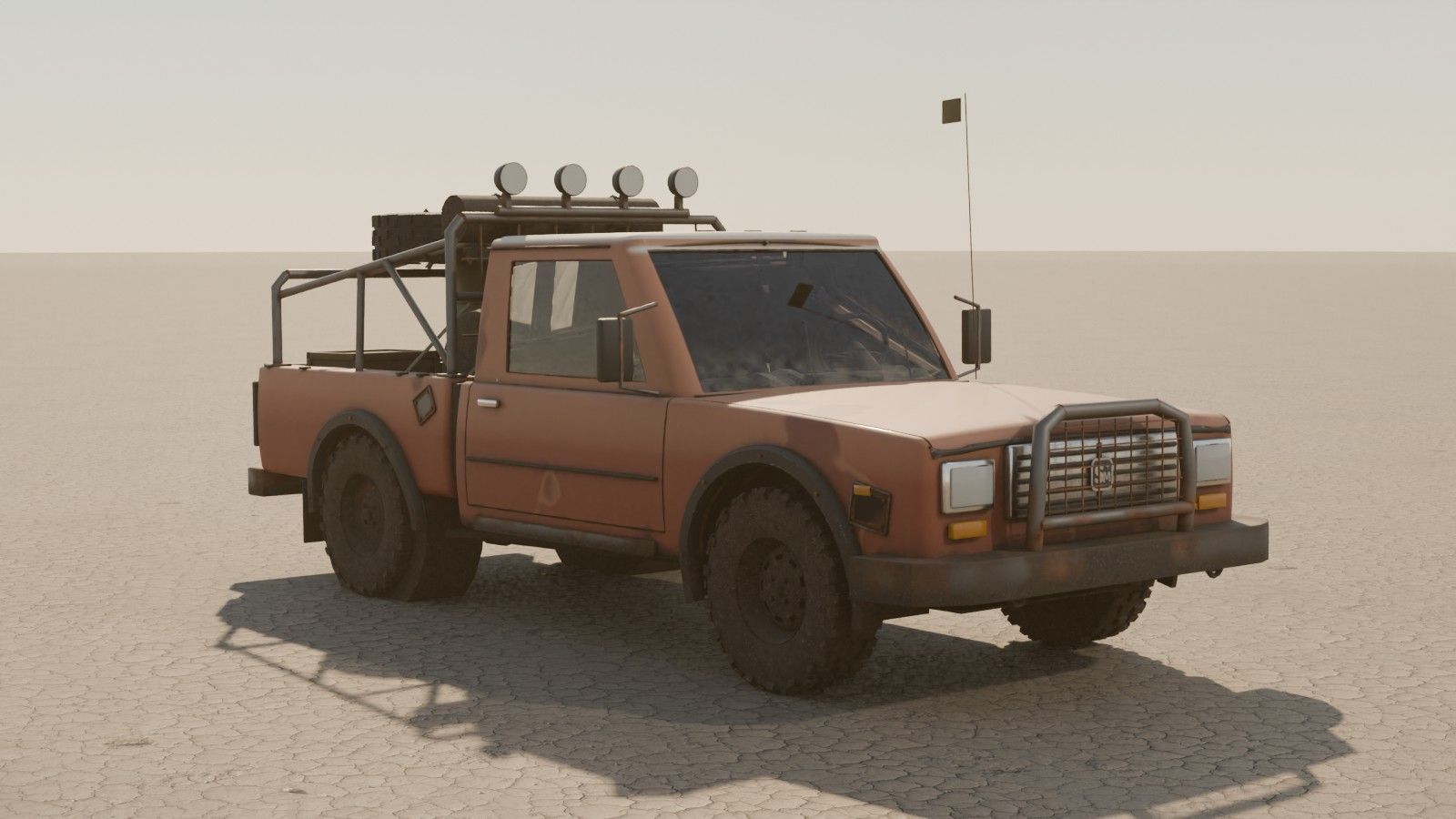
Our first excavator looked like a toy. It now has real 14 tonne proportions, a welded boom, paired hydraulic cylinders and an operator cab. The full story is in the devlog.
Read the devlog post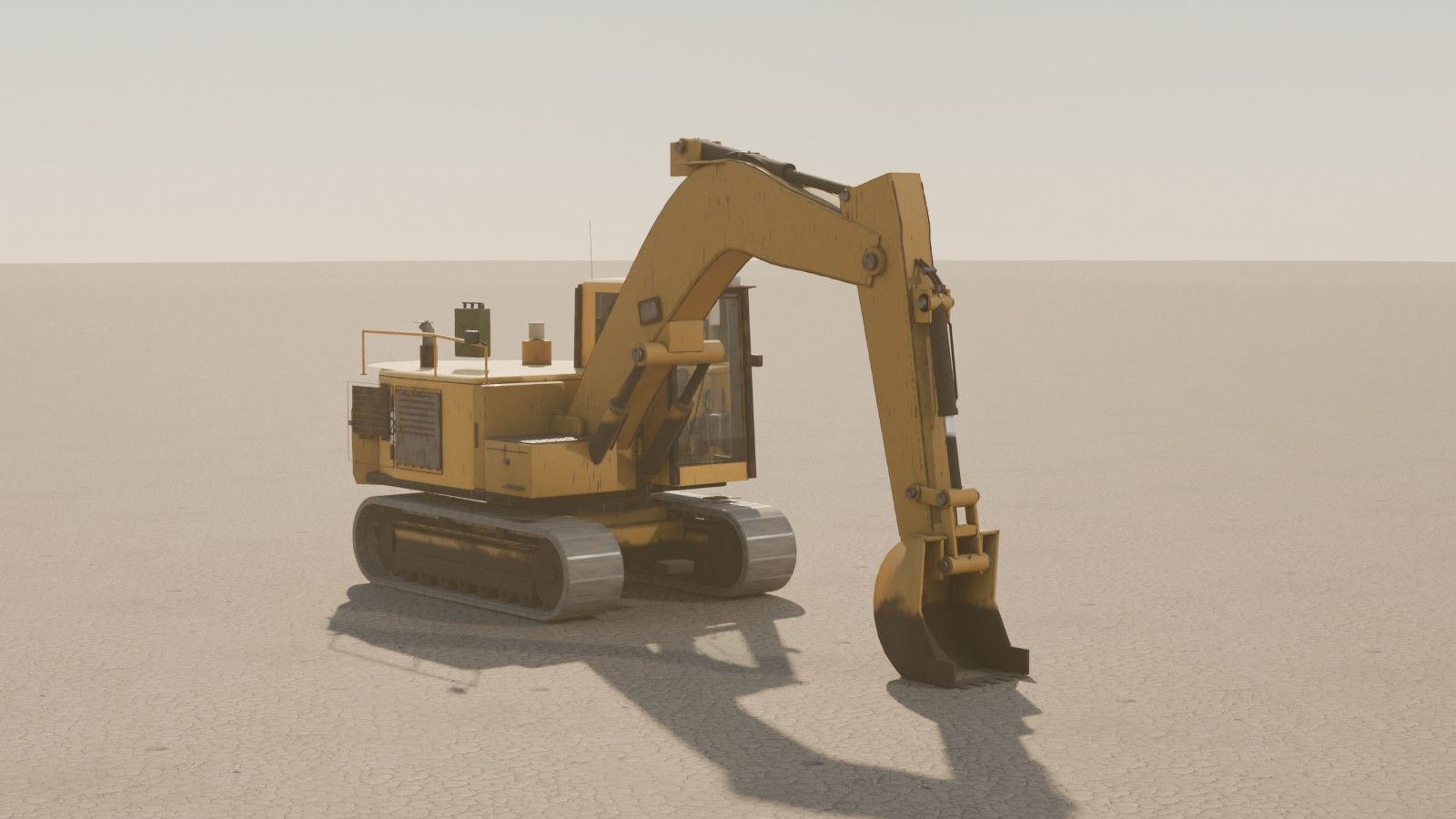
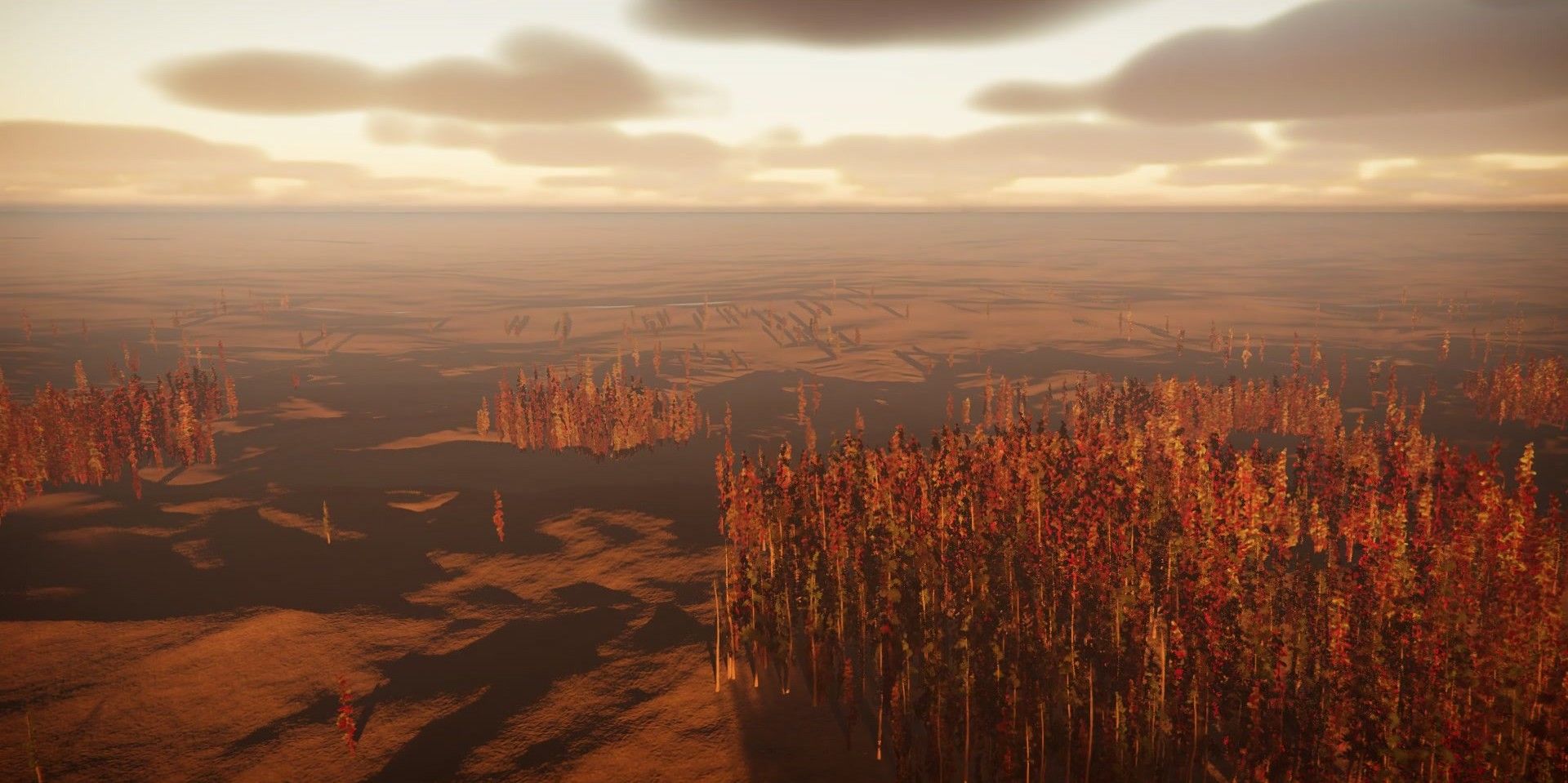
Resources are now placed across the whole 2 km map. Common finds sit close to camp, and the rare clusters are further out, where the trip costs fuel and water.
We froze the design for the first milestone: co-op for 1 to 8 players, servers hosted by players, no PvP. Sixteen design documents were brought in line, and 47 contradictions between them were settled.
The game began as a survival game about junk cars. It is now a co-op game about building a convoy with your friends, so the name changed with it.
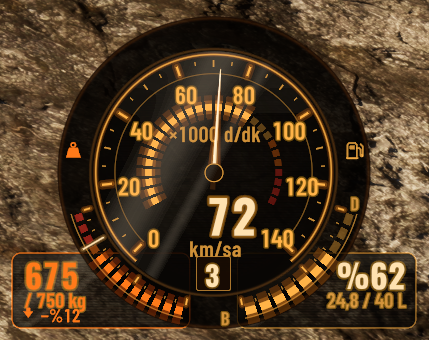
Fuel and load now sit in the lower ring of the amber gauge, so you read speed, weight and range at a glance. It stays legible from 1080p up to ultrawide.
Every vehicle now has a modelled interior and a driver in the seat. The glass carries dust, streaks, water spots and the arc of the wipers.
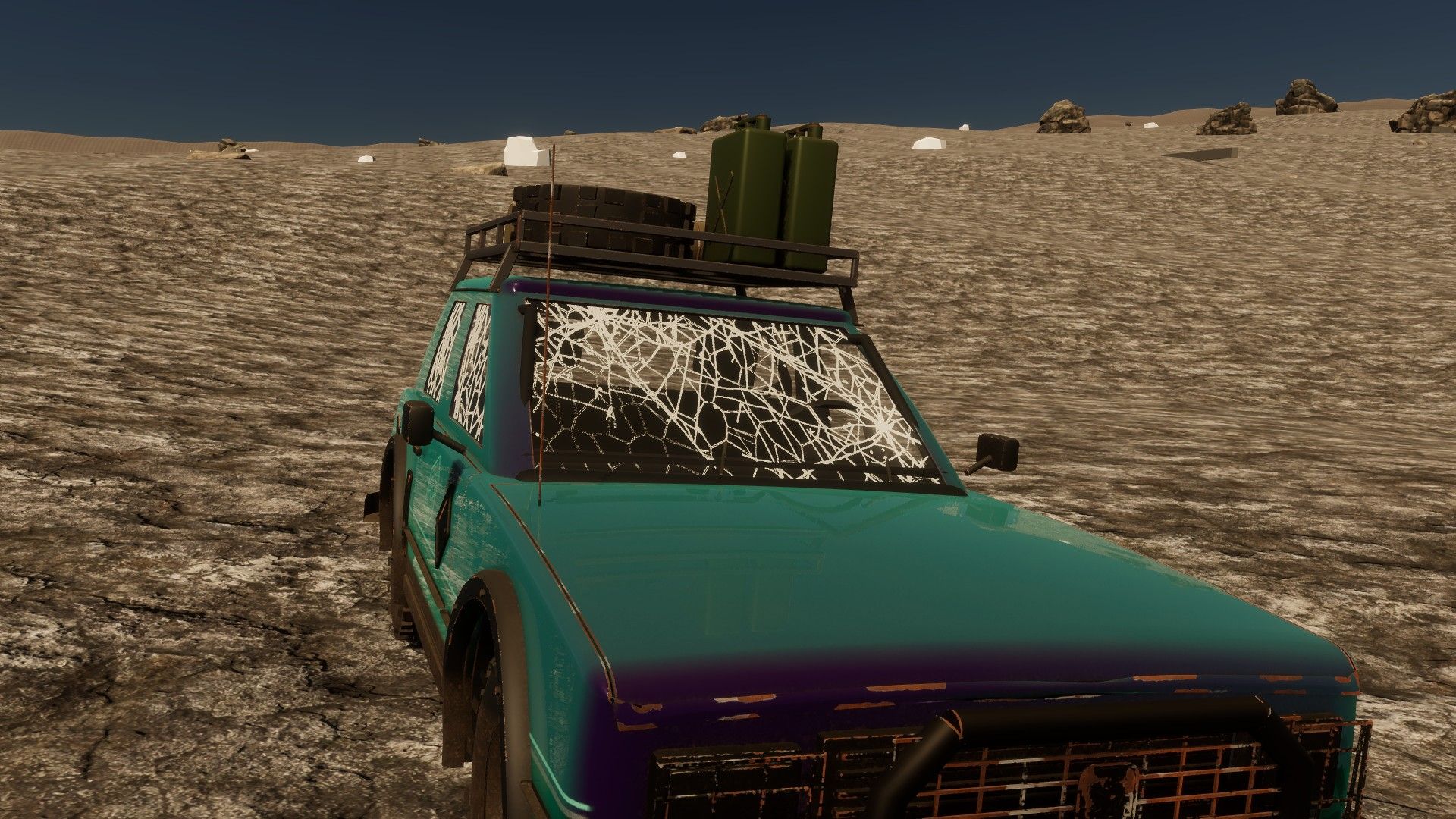
Our driving test track went from 7 passes out of 19 to all 19. We reworked steering lock at speed, tyre grip and braking, so heavy rigs turn late but stay on the road.
The Kör Talih table now plays online, with room setup and an end-of-match window. Emote buttons got bigger for Arabic.
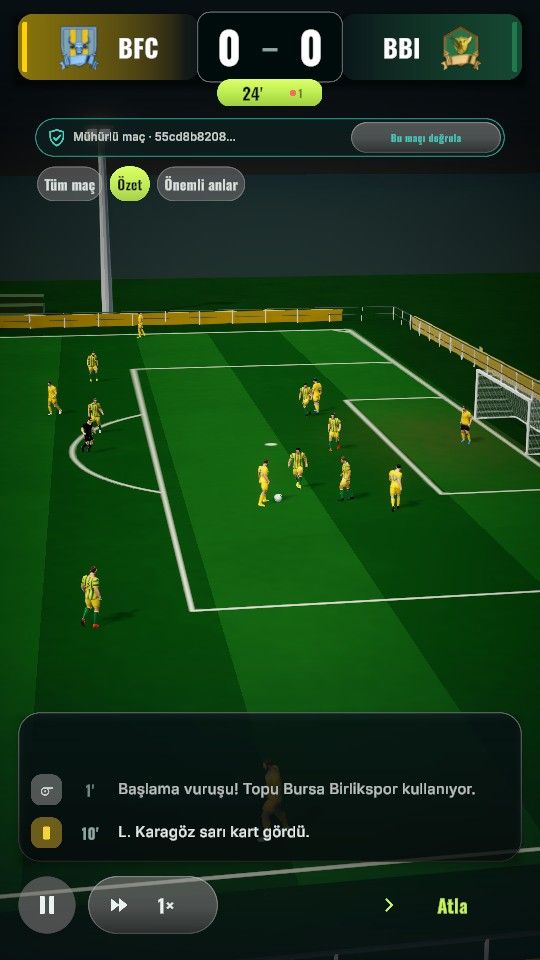
Matches now play out in 3D in a stadium with five build levels, with camera cuts and replays. The seeded engine still decides the result, so the picture never changes the score.
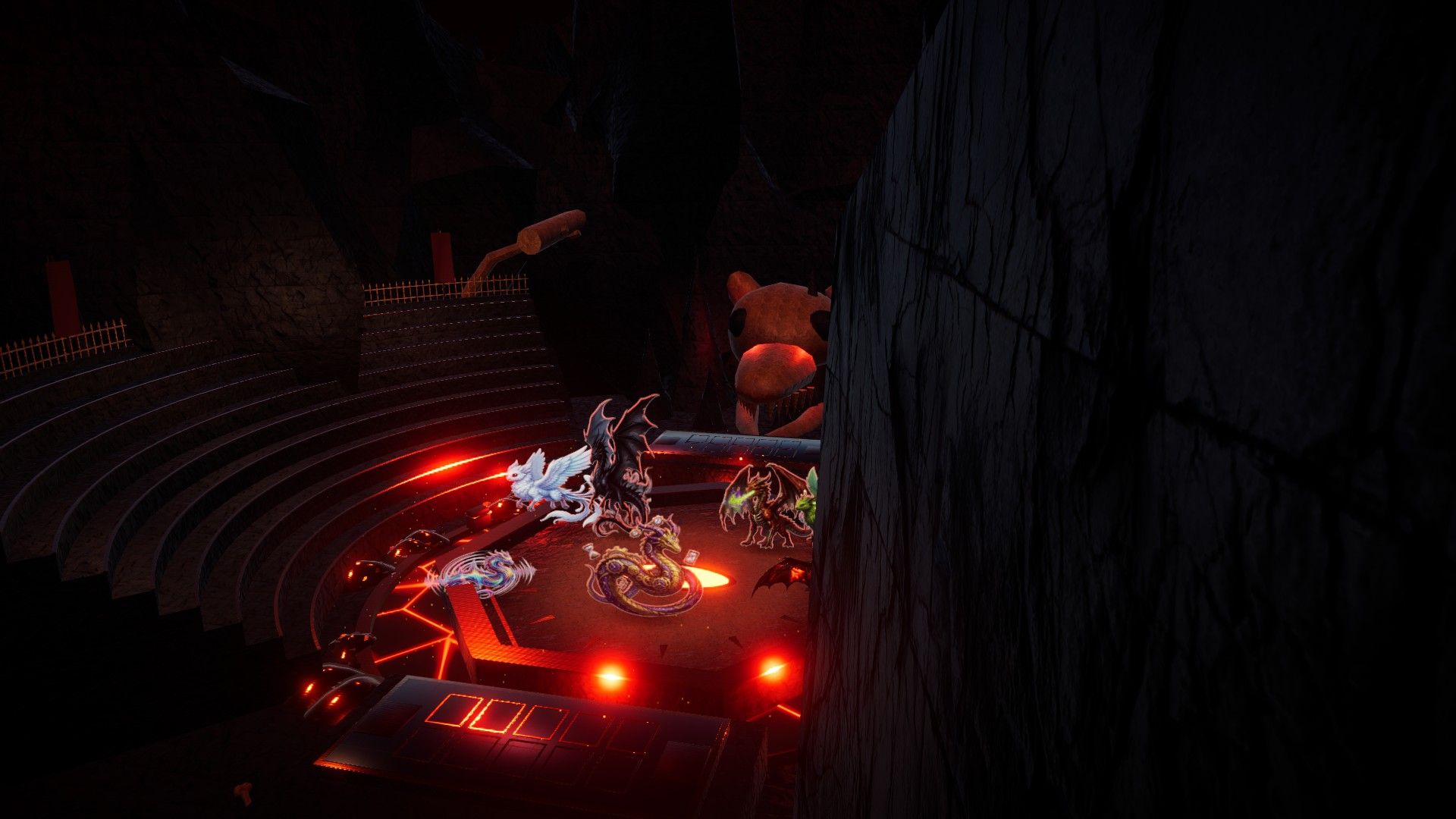
Every one of the 1,600 creatures in Kin Clash now has a rig, so each of them can move on the 3D duel table.
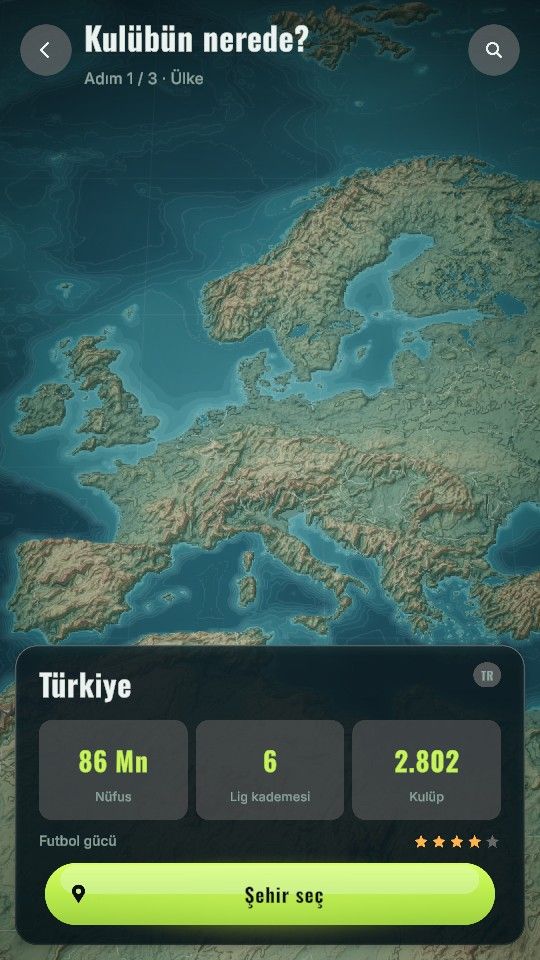
You can found your club in any of 81,595 towns, with local spellings in sixteen languages. New clubs start in their city's amateur league.
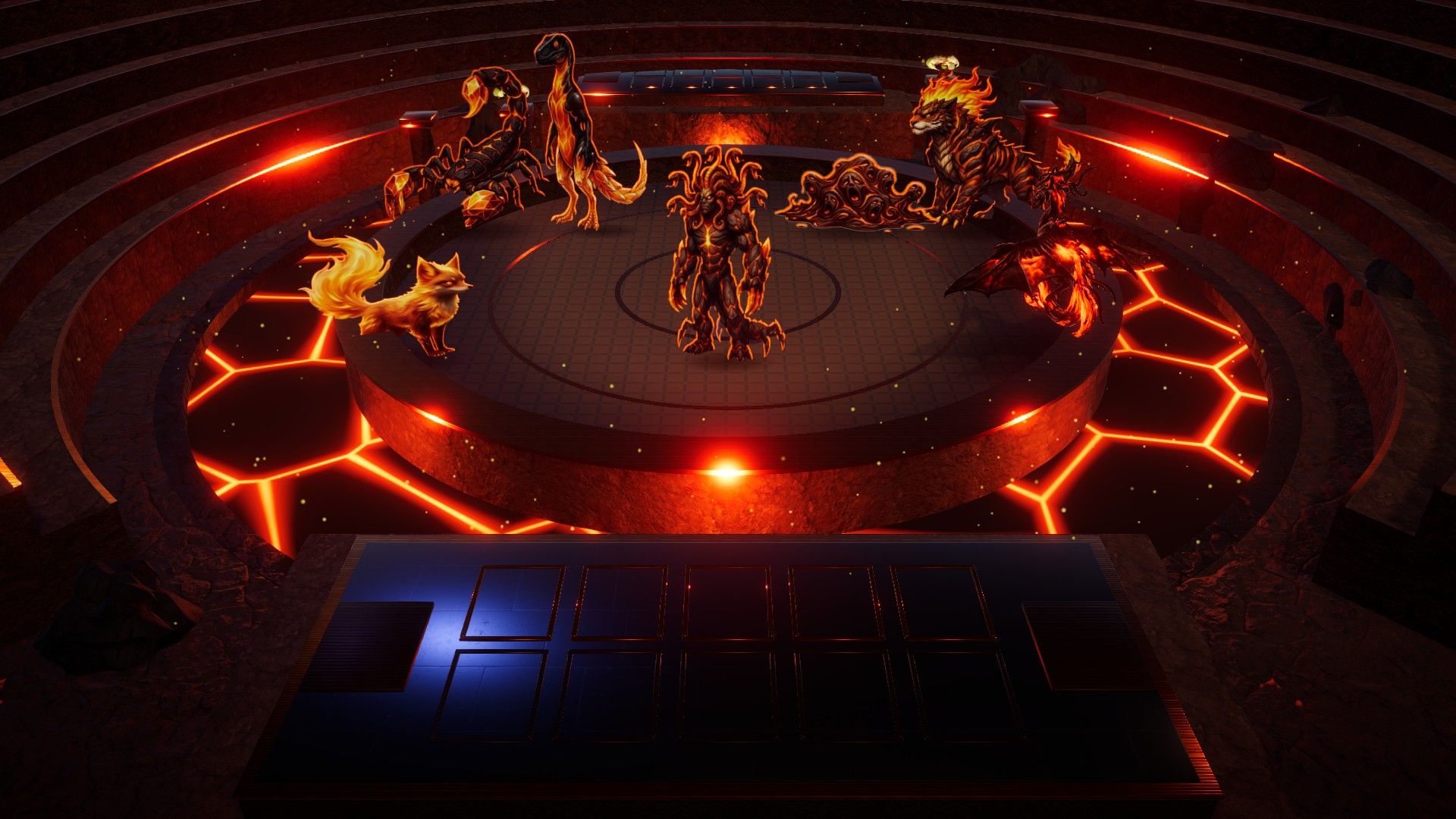
The first Kin Clash prototype seats two players at a 3D table in a volcano arena, with the card system and effects running.
What we built, what broke, and what is next. No spam, unsubscribe in one click.